Posts tonen met het label Atlantis. Alle posts tonen

zondag 5 november 2017

Het verhaal van Atlantis was een mythische vertelling over de zondvloed van de Zwarte Zee.

Het eiland Thera (Santorin) in een uitbarsting die mogelijk de vloedgolf heeft
veroorzaakt die Knossus vernietigt en de Minoïns vernietigt.
(Credit: Universal History Archive/Getty Images)
Deze theorie veronderstelt dat Atlantis zelf fictief was, maar het verhaal van zijn ondergang werd geïnspireerd door een feitelijke historische gebeurtenis: het doorbreken van de Bosporus door de Middellandse Zee en de daaropvolgende overstroming van de Zwarte Zee, rond 5600 voor Christus. 

De Zwarte Zee was destijds een zoetwatermeer van de helft van zijn huidige omvang. De overstroming overstroomde beschavingen waarvan bekend is dat ze langs de kust gedijen met honderden meters zeewater in korte tijd (misschien minder dan een jaar).De inwoners van de regio verspreidden ze verhalen over de zondvloed en misschien hebben ze duizenden jaren later het verhaal van Plato over Atlantis door verteld.
Atlantis is het verhaal van de Minoïsche beschaving, die ontstond op de Griekse eilanden rond 2500-1600 v. Chr.

zaterdag 5 december 2015

Indonesia holds Key to a 20,000 year old lost Civilization


With the numerous discoveries made over the past 10 years, it is clear that civilizations have existed on Earth much sooner than previously believed. One of those ancient ‘lost’ civilizations could be around 20,000 years old and found in Indonesia. If these structures prove to be the real deal (they are being battered by mainstream scholars and tagged as a hoax) then we are looking at a whole new page in our history books, one that changes everything we know about civilizations, origin of mankind and humans on Earth. No one knew that the Pyramid was a pyramid until geological surveys were done in 2011.

woensdag 19 augustus 2015

Was Sardinia home to the mythical civilisation of Atlantis?

A comet plunging into the sea could have triggered a tidal wave that devastated bronze age settlements on the island, say scientists
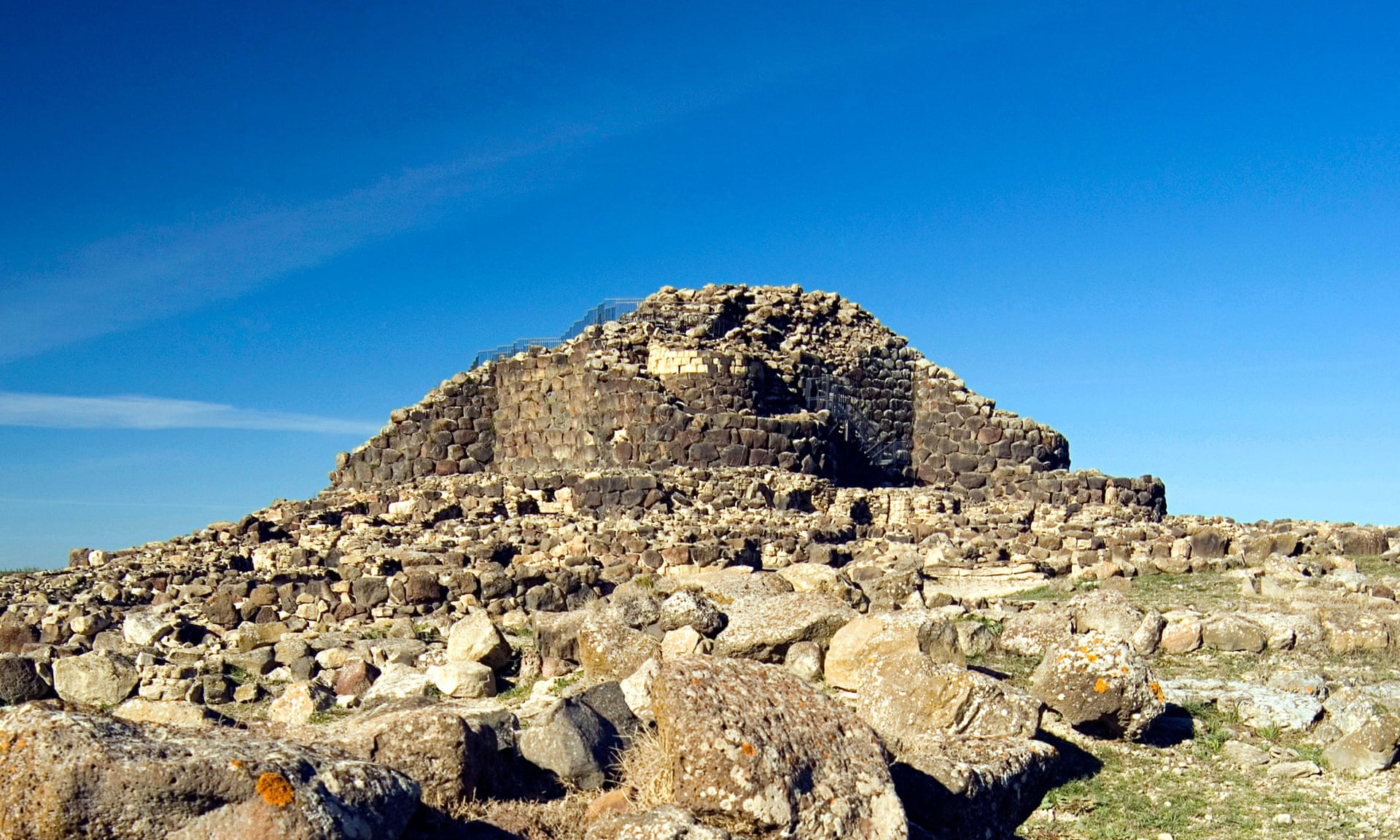
The bronze age Su Nuraxi archaeological site, on Sardinia, uncovered in 1950. Photograph: Alamy


Homer talks of Poseidon lashing out, Plato refers to a massive marine disaster. What happened on Sardinia in the second millennium BC? What dramatic event swept away the Tyrrhenian civilisation and the “tower builders” cited by Strabo and the poet Hesiod in antiquity? Was it an earthquake or a tidal wave? A comet? Was it punishment meted out by Zeus, as Plato suggests in Critias, acting pitilessly to improve the behaviour of these people who had been spoiled by living in a land where it was always spring? Certainly they occupied a beautiful, fertile island, endowed with all sorts of metal, both hard and malleable, such as zinc, lead and silver.